
Port Hope, Ontario
Garage & Workshop Feasibility
Independent feasibility, zoning confirmation, and early cost planning to define a buildable accessory structure before drawings, permits, or contractor pricing.
Project Overview
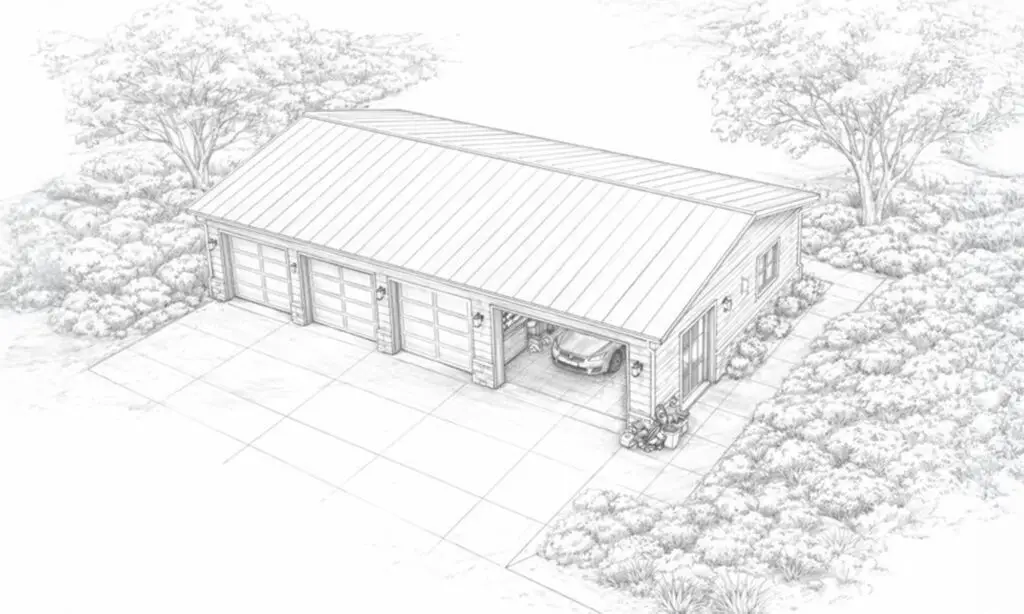
A property owner in Port Hope, Ontario planned a detached garage and workshop to support personal storage needs, including enclosed vehicle parking and additional space for a camping trailer and equipment. The property is a rural residential lot serviced by a private well and septic system, with existing driveway access and a 200A electrical service.
While the concept was straightforward, feasibility depended on confirming zoning permissions, accessory building limits, siting constraints near the front of the property, and Conservation Authority screening requirements. The owner needed clarity on what was achievable in principle, what approvals could be triggered, and what the project should cost at a realistic planning level—before investing in design or permit submissions.
Luma delivered a Luma Study to establish the regulatory baseline, validate feasibility with constraints, and provide an early-stage cost benchmark and risk profile to support confident next steps.
The Challenge
Like many rural accessory structure projects, the owner faced several constraints that can materially affect feasibility and timelines:
- Accessory structure rules limited footprint, height, and placement
- Front-yard siting preferences introduced setback and dwelling separation sensitivities
- A Hydro easement presence required confirmation and survey coordination
- Conservation Authority screening introduced an approval dependency tied to surveyed information
- Early budgeting needed a defensible benchmark without drawings or engineered details
Without early confirmation, the project risked advancing into design and permitting on assumptions—creating avoidable schedule exposure, redesign risk, and budget uncertainty.
Luma’s Role & Services Delivered
Through a Luma Study, the owner moved from concept to a feasibility-confirmed plan and documented approval pathway—without relying on assumptions.
Property & Site Baseline
- Documented property context and rural servicing baseline
- Confirmed road frontage and existing driveway access
- Identified known encumbrance indicators requiring verification
- Established reference inputs and materials not reviewed at the Study stage
Zoning & Regulatory Feasibility
- Confirmed zoning designation and accessory structure permissibility
- Tested key dimensional controls affecting feasibility
- Quantified accessory building coverage limits against lot area
- Flagged siting sensitivities that could trigger zoning relief depending on final location and design
Conservation Authority Context
- Confirmed Ganaraska Region Conservation Authority jurisdiction and screening expectations
- Identified survey submission as a key dependency for final determination of required permits
- Clarified that screening was not expected to be prohibitive, but could influence sequencing and timing
Construction Timeline & Budget
- Created a Level 2 construction schedule
- Developed a feasibility-level (AACE Class 4) planning estimate in today’s dollars
- Provided an appropriate early-stage range to reflect uncertainty without drawings
Permit Pathway & Dependencies
- Mapped typical approval pathway: building permit, minor variance, Conservation screening
- Identified minimum submission package requirements for next phase
- Highlighted timeline sensitivities where permitting could shift from weeks to months if relief is required
Risk Identification & Planning
- Built a feasibility-stage risk profile to identify the highest-ranked drivers of schedule and approval uncertainty
- Flagged major early risks: Conservation Authority screening, zoning compliance/variance potential, and early-stage cost uncertainty
- Developed early mitigation strategies
Key Findings & Insights
Confirmation the project was feasible with constraints. identification of specific zoning conditions control siting, approvals, and timing
Early analysis revealed the a requested walkout basement added significant structural and engineering complexity.
A formal survey is a critical for Conservation Authority screening outcomes. Depending on final siting and design, a minor variance may be required.
Provided a structured risk profile so the owner could plan next steps with full context, mitigating permit issues early.
Delivered feasibility-stage cost benchmark and schedule range to support budgeting & planning decisions
Independent review prevented design and tendering based on incorrect assumptions, avoiding costly redesigns and change orders.
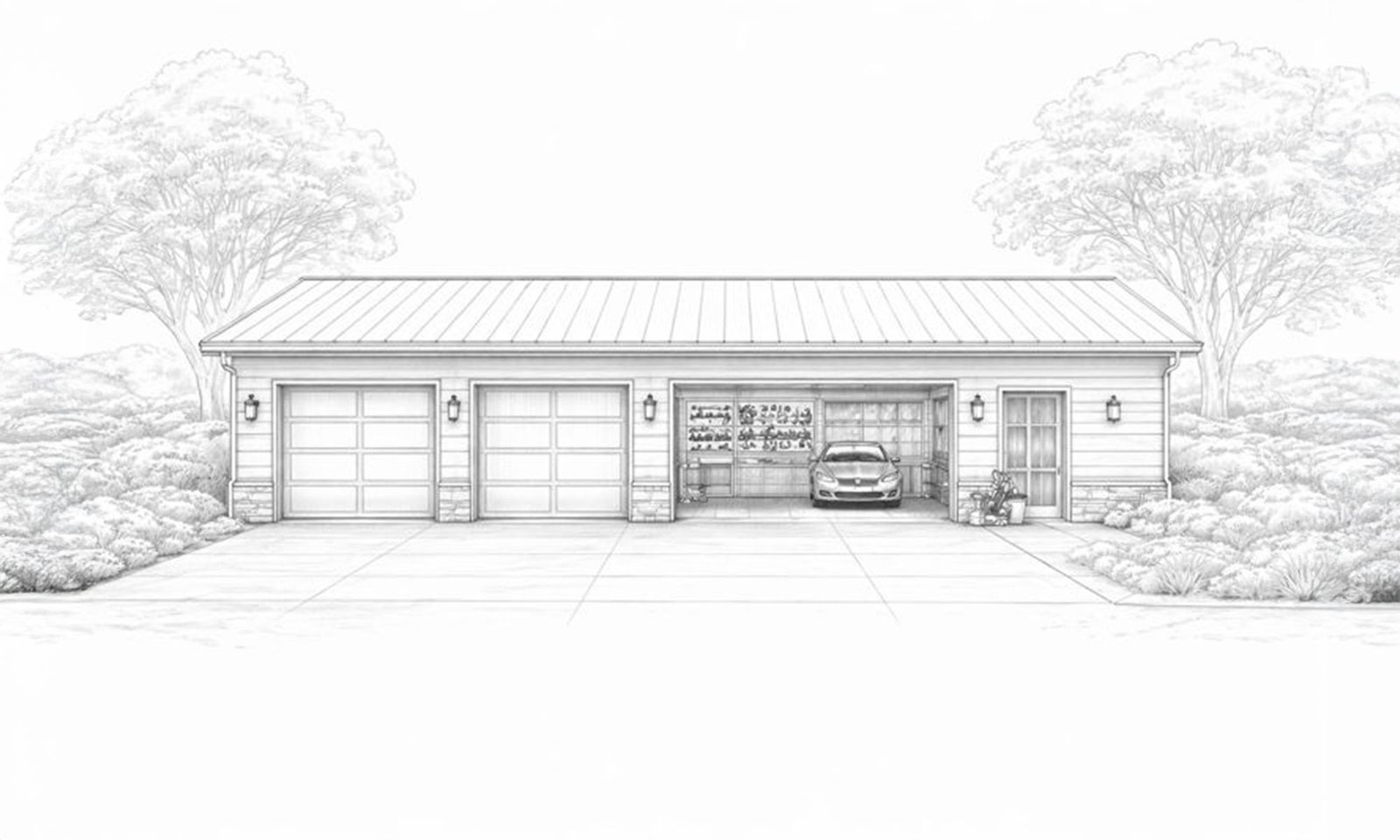
Front elevation concept used to validate feasibility and structural assumptions.
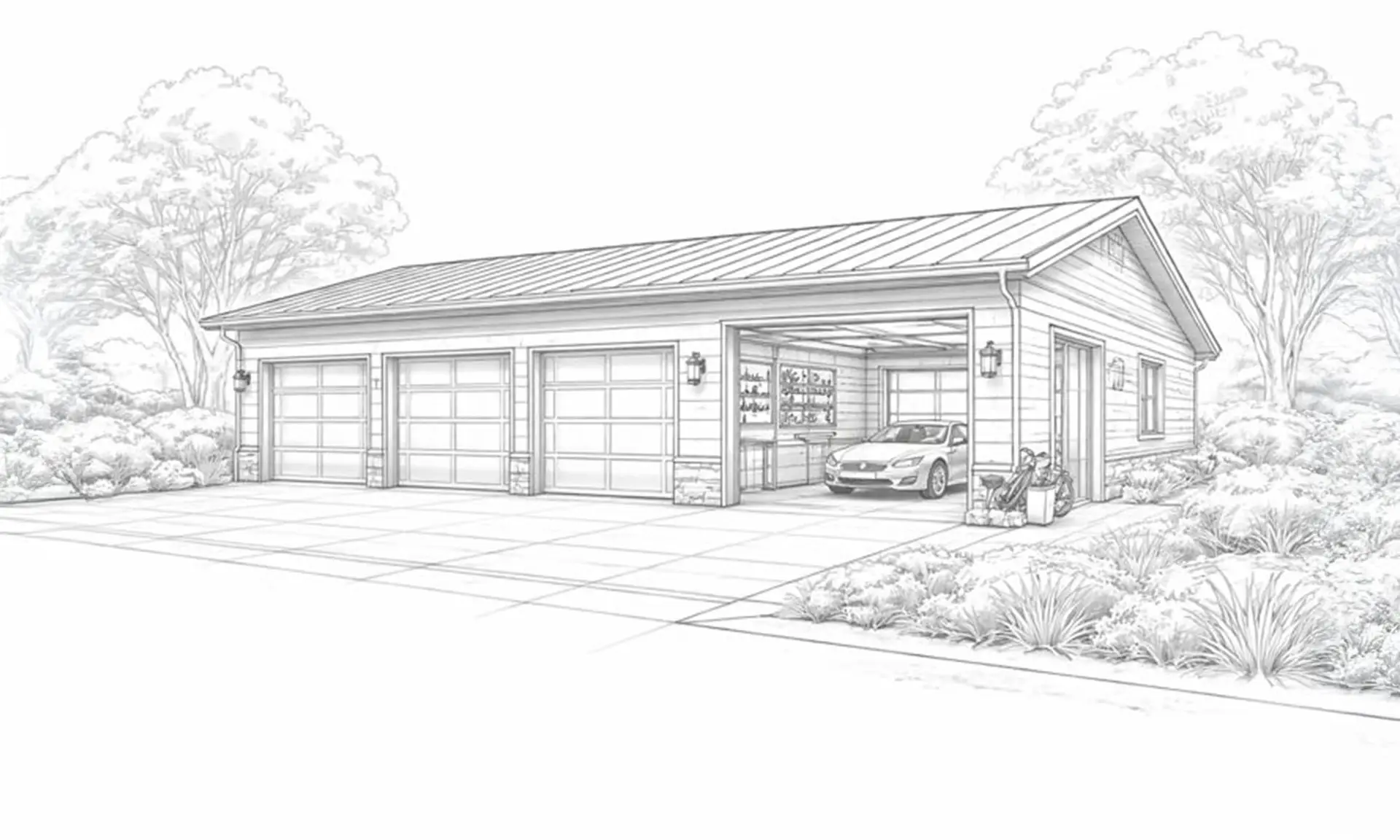
Pre-design exterior concept defining structure proportions and functional layout.
The result
- Confirmed feasibility in principle, with constraints clearly documented
- Avoided structural and permitting surprises tied to the walkout design
- Provided a structured risk profile so the owner could plan next steps with full context
- Clarified approval pathway and schedule sensitivities. Catching unique permit requirements before drawings
- Identified survey requirements as the key next-step trigger for permitting and screening
- Delivered a feasibility-stage cost benchmark and range to support budgeting decisions
The owner now has a feasibility-confirmed project definition and a clear pathway forward—before committing to design and permit submissions.
Takeaway
This project demonstrates how early feasibility protects homeowners from approval surprises and budget uncertainty. By confirming zoning constraints, screening requirements, survey dependencies, and a defensible planning cost range, a Luma Study creates clarity before drawings, permits, or major spend.